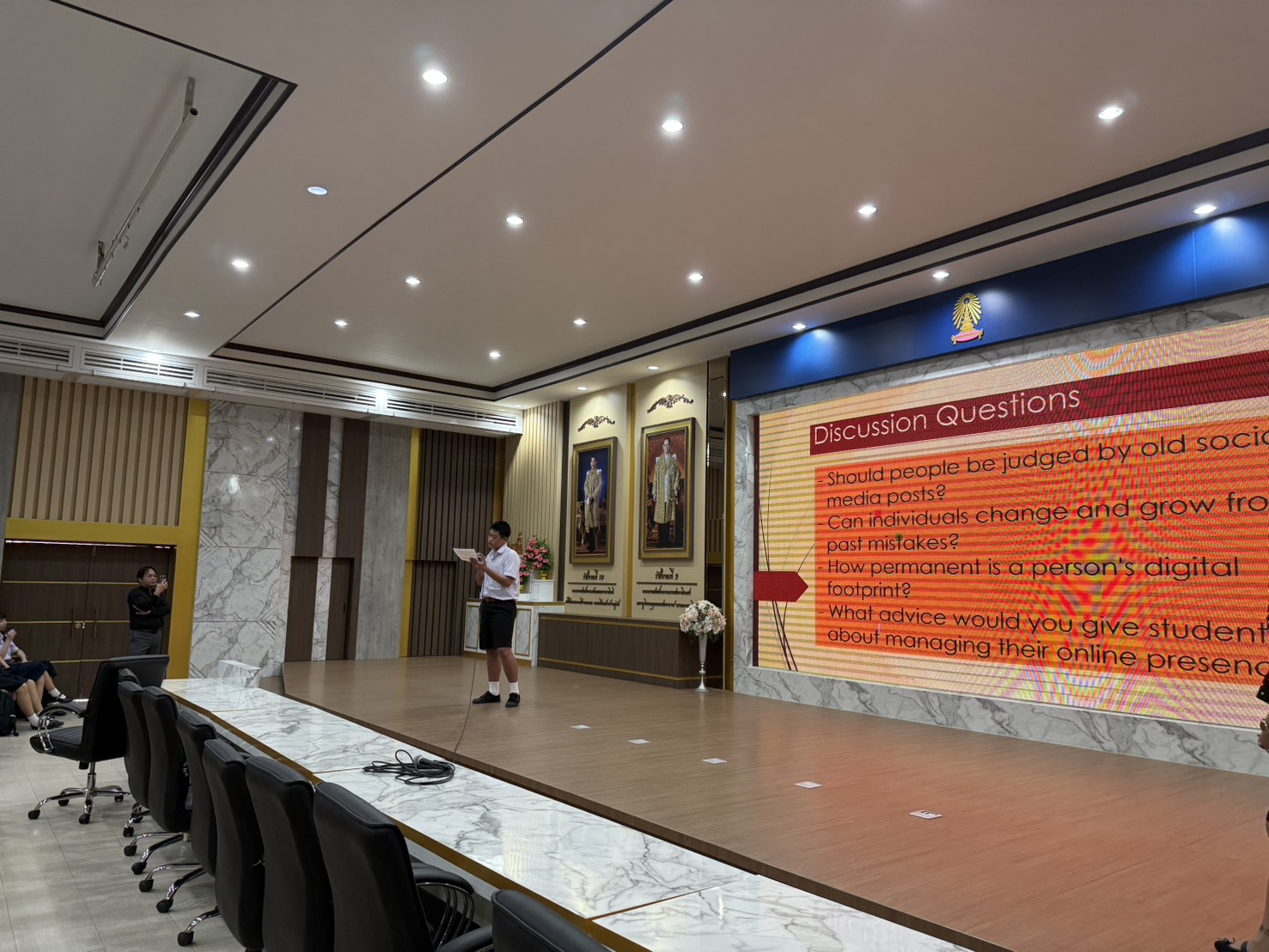
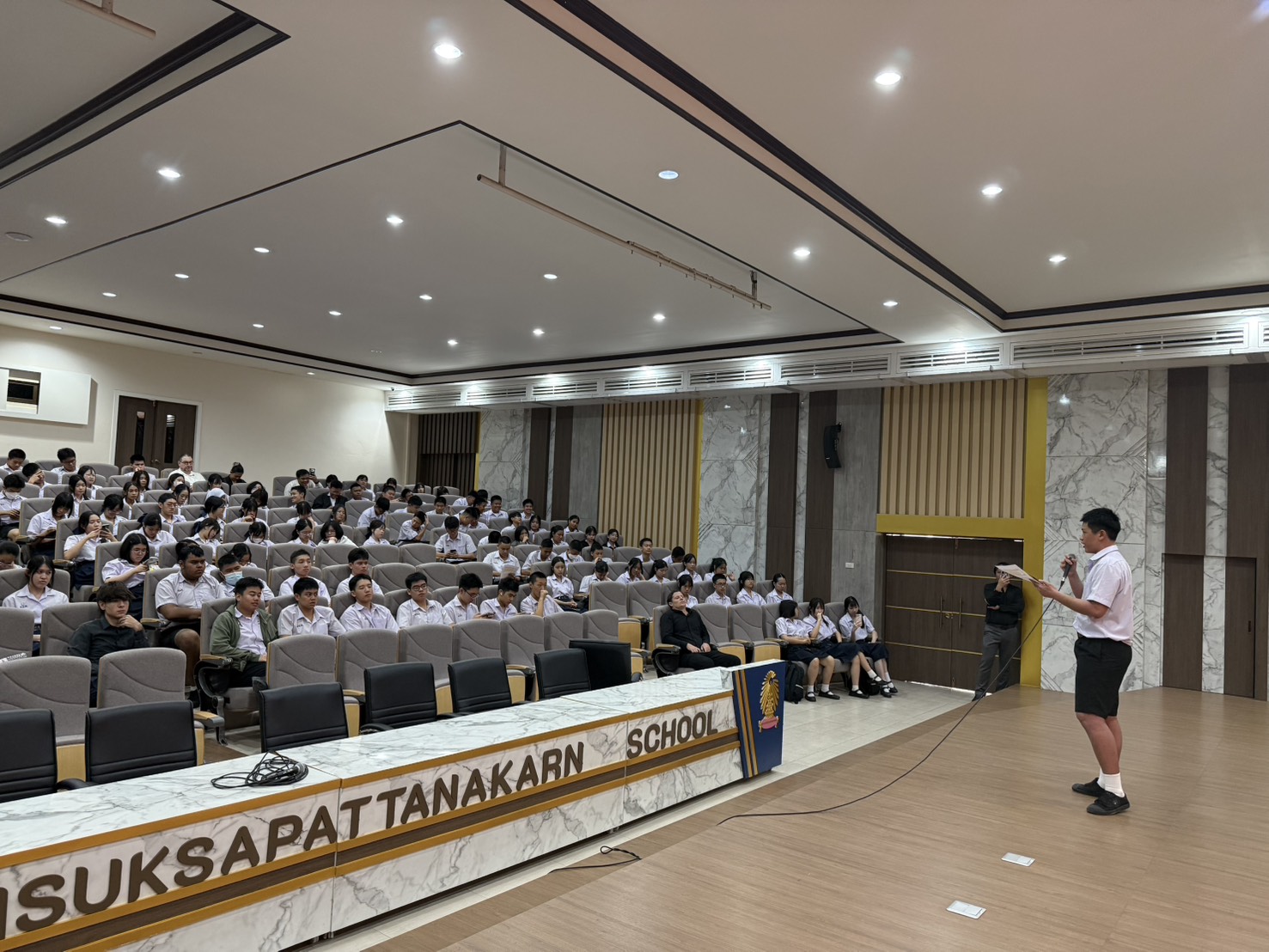
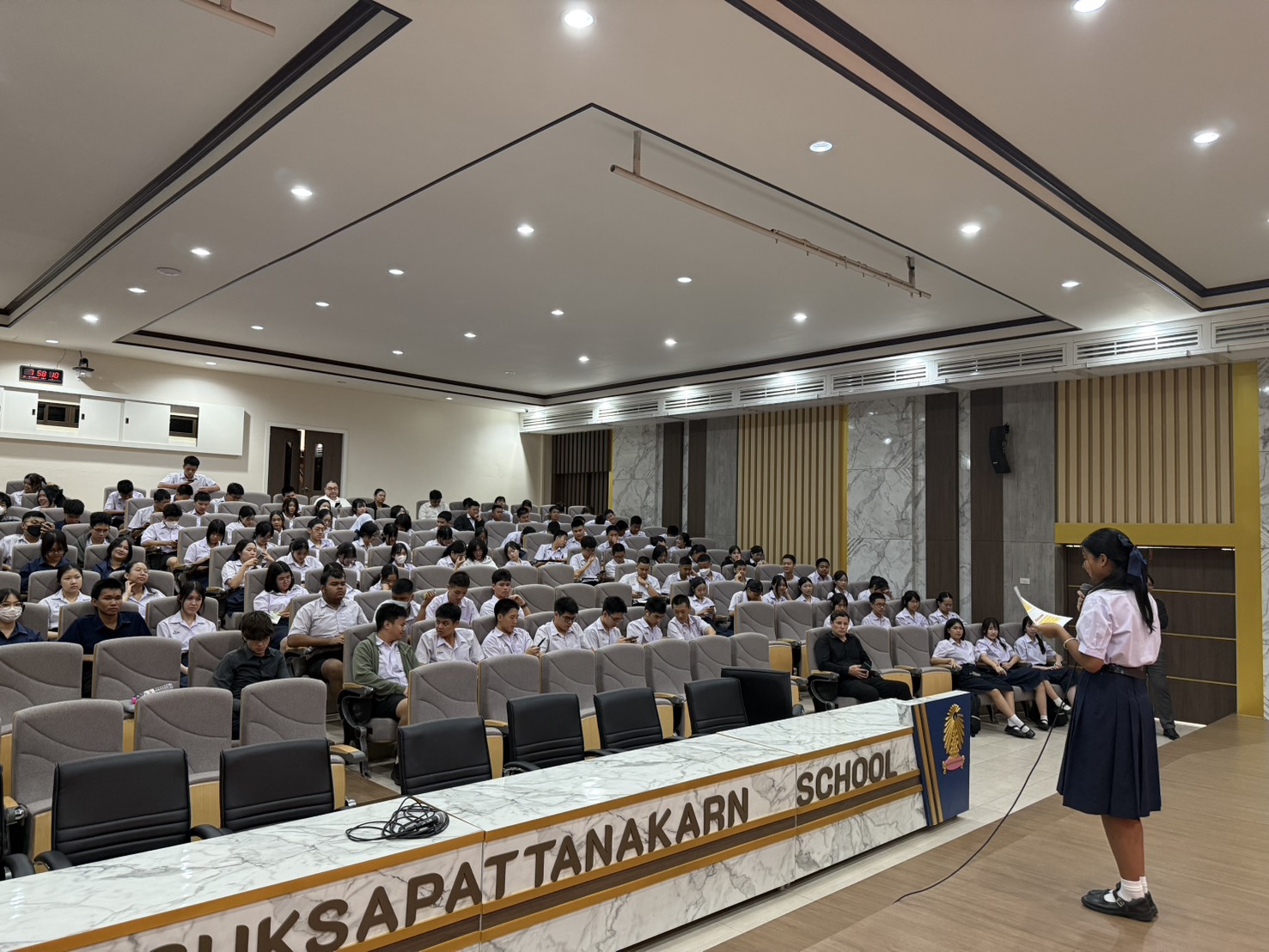
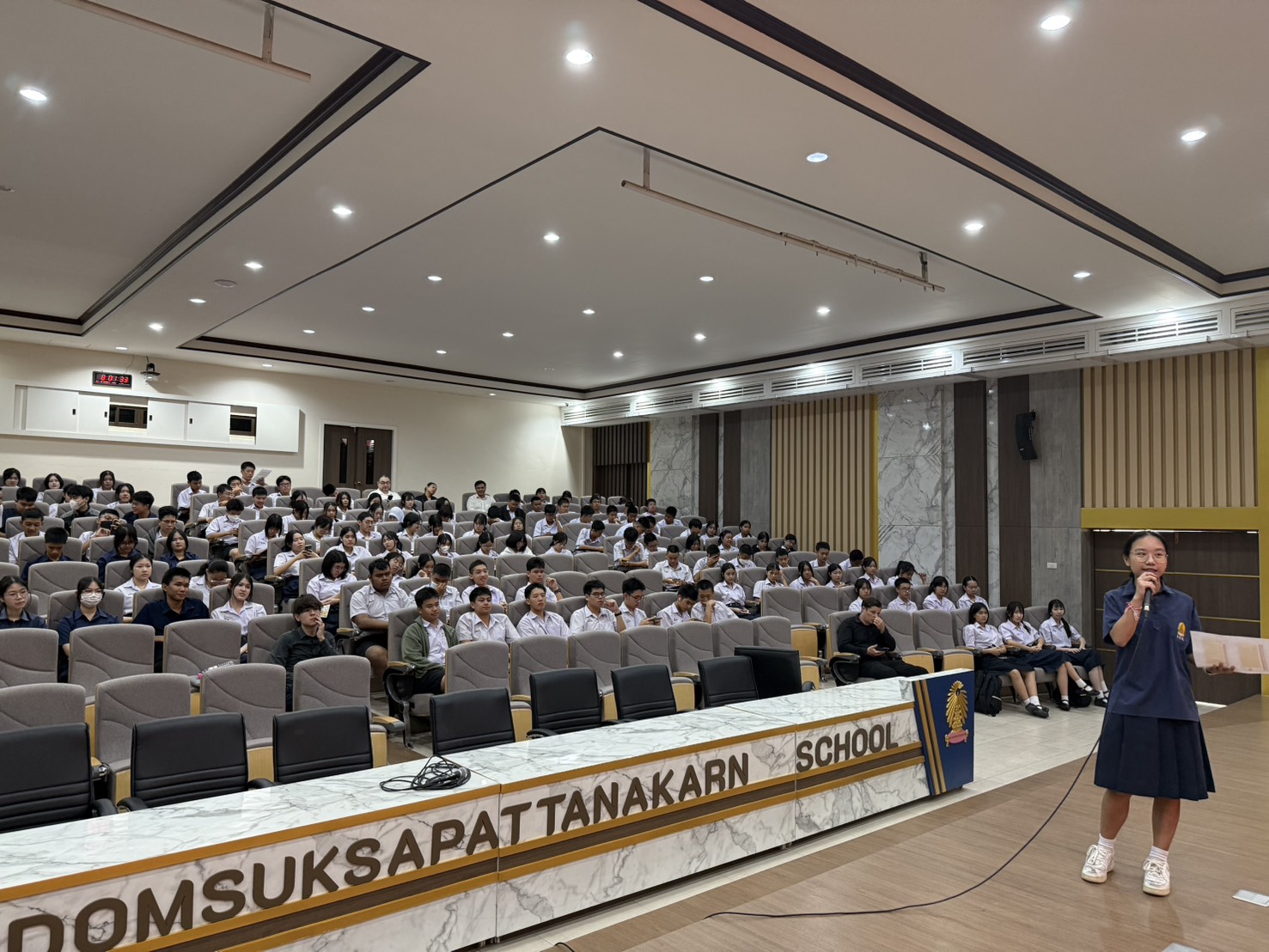
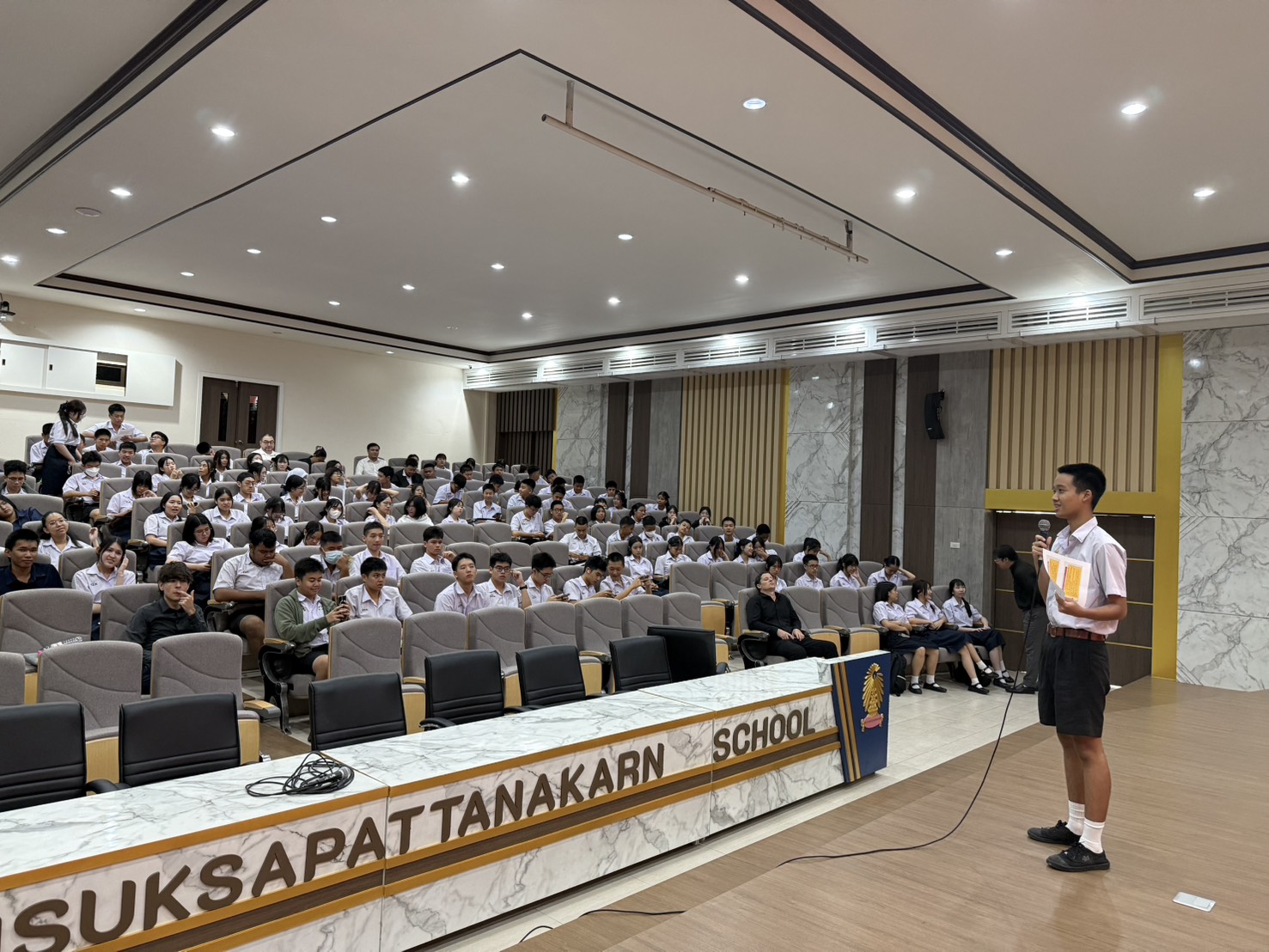
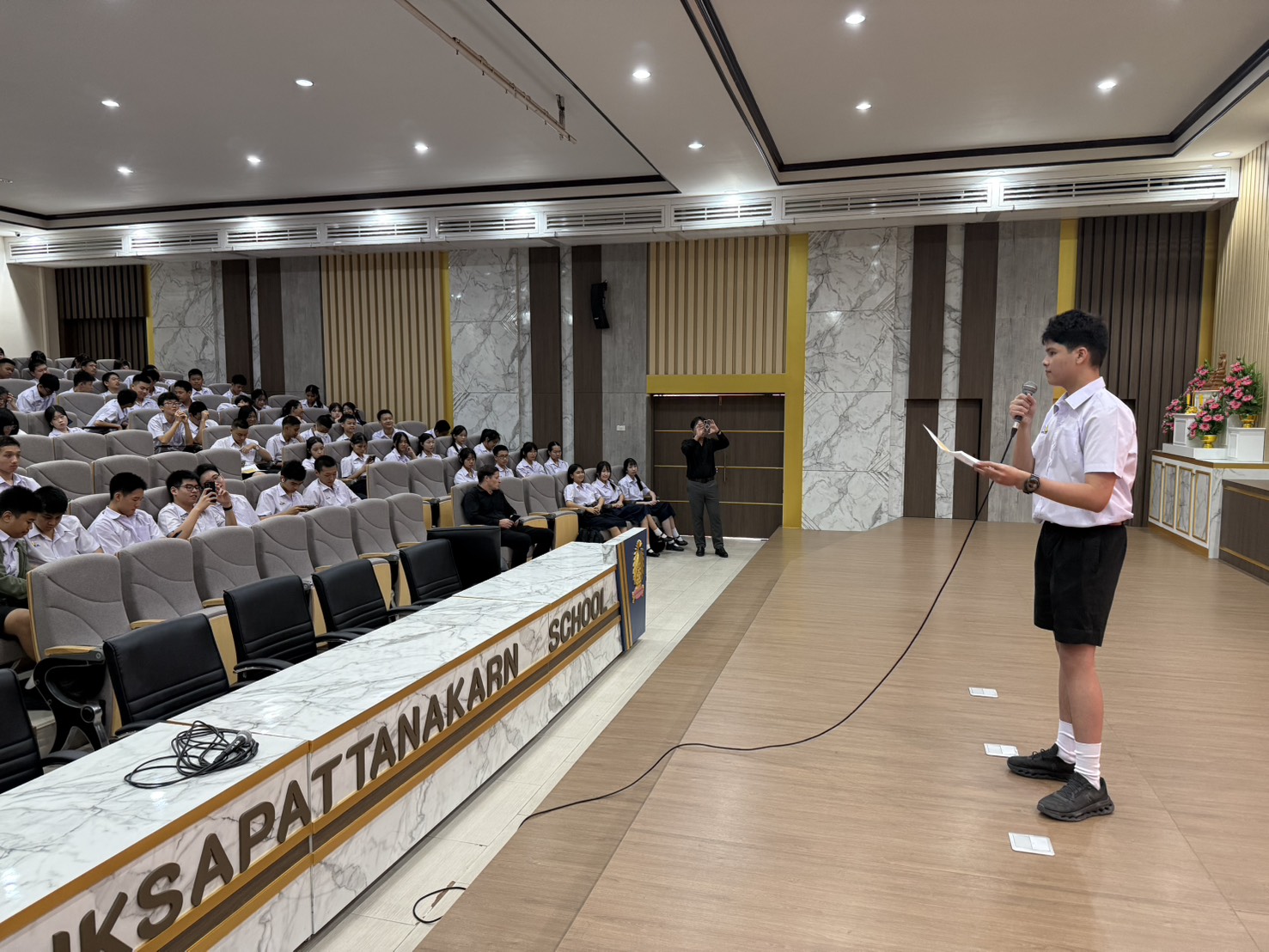
During the EP Monthly Meeting, students participated in an engaging session focused on Digital Citizenship and Responsible Online Behavior.
Through a case study titled "Recording a Conflict," students explored the ethical and social implications of recording and sharing incidents on social media. A real-world scenario in which a disagreement escalated into a physical altercation — while bystanders chose to record and upload rather than seek help — sparked deep and meaningful discussions among students and their presenter.
Who is responsible when a conflict is recorded and shared? Students reflected on bystander obligations in real-world situations.
Understanding how recording and sharing sensitive content affects the dignity and emotional well-being of those involved.
Exploring the rights of individuals in the digital space and the importance of obtaining consent before recording or sharing.
Discussing how viral content can cause lasting harm to individuals, families, and entire communities both online and offline.
The activity encouraged students to develop skills that go beyond the classroom and into their daily digital lives.
Students reflected on appropriate actions during emergency or conflict situations — choosing to seek help over recording and uploading.
Students examined the short- and long-term consequences of sharing sensitive content online, including legal, social, and emotional impacts.
Students were guided to demonstrate responsible digital citizenship by making ethical choices about how they use, create, and share content online.
Through guided discussion and case analysis, students developed critical thinking and ethical decision-making skills applicable to their everyday digital interactions.
Students committed to promoting a safe, respectful, and supportive school environment — both physically and digitally.
What our M.4–M.6 students took away from this session on Digital Citizenship.
Recording a conflict without intervening or seeking help can make a difficult situation worse — not better.
Once content is shared online, it cannot be taken back. Consider the lasting impact on everyone involved.
Everyone has the right to privacy and dignity, both in person and online. Respect that right for your peers and yourself.
Choose to help, report, or seek support — not to spectate and share. Our community depends on your choices.